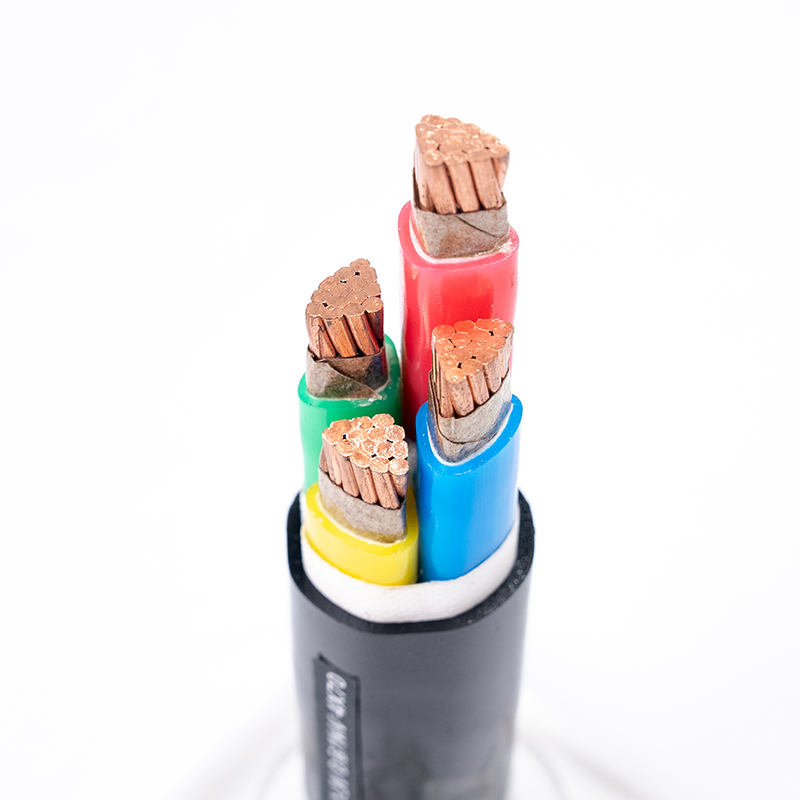
Electric Wire
Excellent weather resistance
Working temperature range -40 ℃~70 ℃, passed 3000 hours of UV aging test, suitable for long-term outdoor use
Outstanding mechanical protection
Tensile strength ≥ 12.5MPa, wear resistance better than ordinary rubber sheath by more than 30%
Flame retardant, safe and reliable
Oxygen index ≥ 35%, vertical combustion test meets GB/T 18380.12 standard
Significant cost-effectiveness
The material cost is 40% lower than cross-linked polyethylene, and the processing energy consumption is saved by 25%
Wide adaptability to the environment
Through -15 ℃ low-temperature winding test and salt spray test for 1000 hours without corrosion
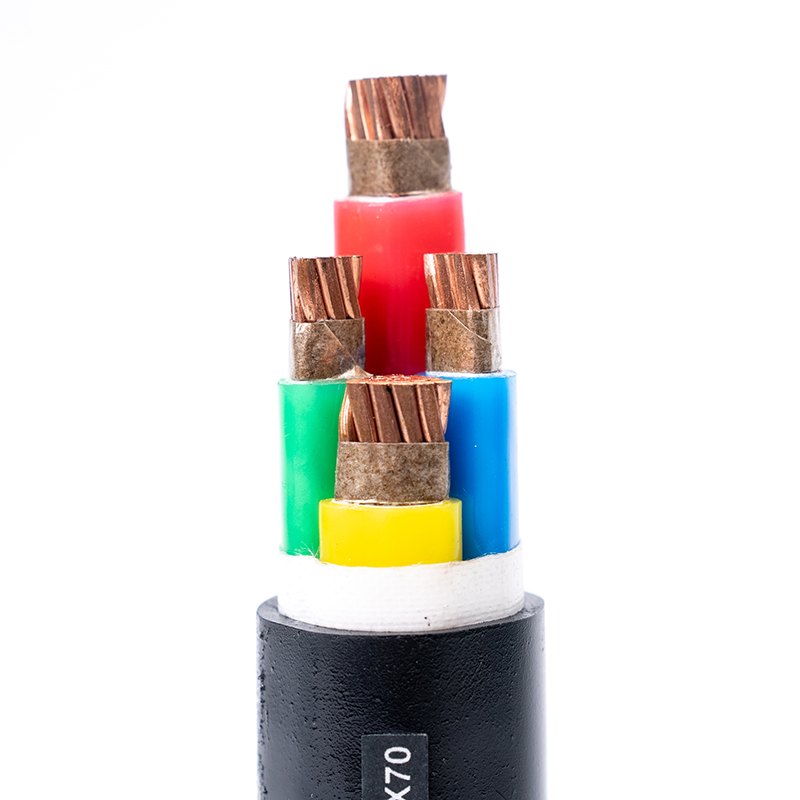
Polyvinyl chloride (PVC) insulated cables (wires) use polyvinyl chloride (PVC) as the insulating material. They are widely used for wiring and connection in various electrical equipment, lighting devices, instruments, meters, and telecommunications equipment. Their structure mainly consists of conductors, PVC insulation layers, and sheaths (some have sheaths). This product is suitable for power devices, household appliances, instruments, meters, etc., with a rated voltage of 450/750V and below.
Executive Standards
GB/T 5023 (IEC 60227-1~7)
JB/T 8734.2~5
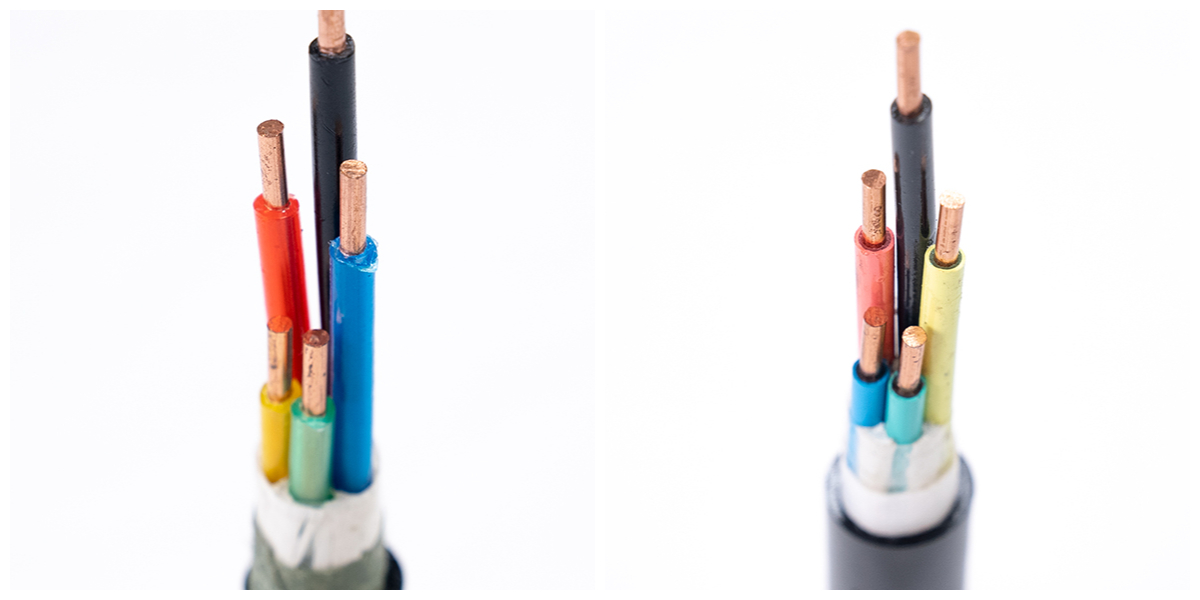
Product Models and Names
Product Name | Product Model |
Single-core solid conductor unsheathed cable for general purposes | 60227 IEC 01 (BV), BV |
Single-core solid copper conductor unsheathed cable for internal wiring with conductor temperature of 70°C | 60227 IEC 05 (BV), BV |
Single-core solid conductor unsheathed cable for internal wiring with conductor temperature of 90°C | 60227 IEC 07 (BV-90), BV-90 |
Lightweight PVC sheathed cable | 60227 IEC 10 (BVV), BVV |
Specification Models
Model | Rated Voltage (V) | Core Number | Weight per Meter |
BLVB | 300/500 | 2 | 0.0 - 0.1 |
BVVB | 300/500 | 2 | 0.25 - 8.5 |
BLVV | 300/500 | 2 | 0.5 - 8.5 |
BV | 450/750 | 1 | 0.25 - 8.5 |
BVR | 450/750 | 1 | 0.25 - 400 |
BLV | 450/750 | 1 | 0.0 - 0.1 |
BV | 300/500 | 2 | 0.1 - 0.75 |
Its insulation layer is mainly made of polyvinyl chloride, which has relatively hard texture and strong structural stability. The minimum bending radius is generally 10-12 times the outer diameter of the cable. Although its flexibility is not as good as that of rubber insulation, it is easier to maintain its shape during installation.
It has excellent wear resistance, strong resistance to external mechanical impact, and good weather resistance. It can resist aging and erosion caused by factors such as ultraviolet rays and ozone in outdoor exposed environments.
It has good flame retardancy and can self-extinguish quickly after being away from the fire source. This characteristic makes it widely used in scenarios with high fire protection requirements such as building wiring.
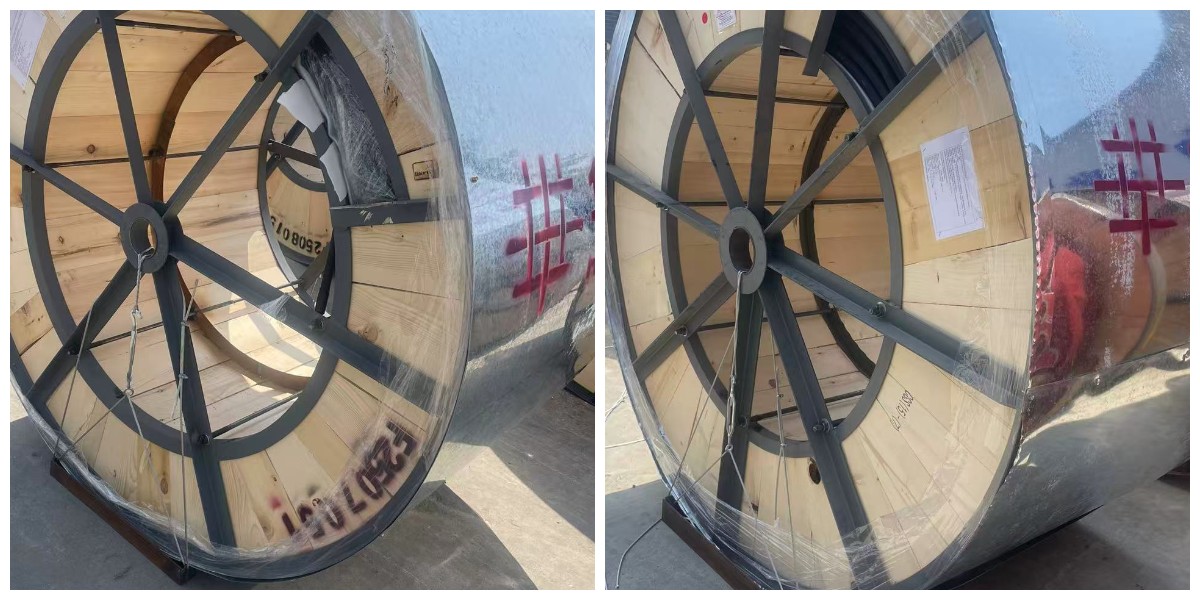
Packaging and Shipping


Related News
Popular products